


0 item(s) - 0.0 euro
-
Your shopping cart is empty!
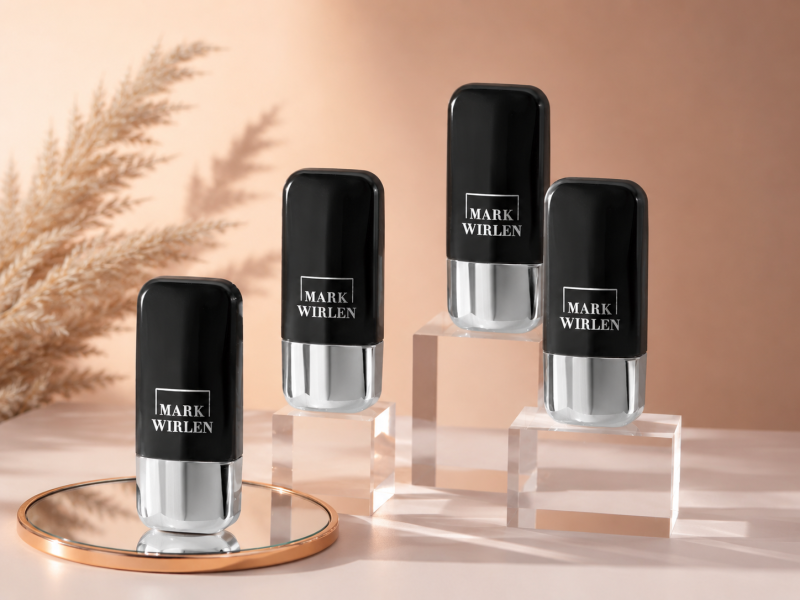
Foundation can make the skin look visually even, fresh and well-groomed, but it can also emphasize flakiness, pores, oily shine or uneven texture. The difference often lies not in the price of the product, but in how well the formula matches the needs of the skin.
That is why, before choosing a shade, it is worth identifying your skin type and observing how your skin behaves throughout the day. Only after that should you evaluate the texture, coverage, finish and longevity of the product.
In this Mark Wirlen guide, we explain how to choose foundation according to your skin type, which ingredients to look for in the formula and which mistakes to avoid so that your makeup looks natural throughout the day.
Today, radiant “glass skin” is popular; tomorrow, a velvety matte complexion may be in fashion. But a trendy finish is not always comfortable specifically for you. An ultra-matte formula can emphasize dryness, while intense radiance can make oily shine more noticeable.
A properly chosen foundation for your skin type should even out the complexion, not increase dryness or oiliness, not accentuate pores and flakiness, and feel comfortable during wear. At the same time, skin type only sets the direction for your search. You should also consider the current condition of your skin, the season, climate, application method and desired result.
Skin is commonly divided into normal, dry, oily and combination types. Sensitivity, dehydration or breakouts can accompany any skin type. For example, oily skin can sometimes be dehydrated, while dry skin can be sensitive.
For a simple at-home assessment, wash your face with a gentle cleanser, do not apply skincare products and observe your face for 30–60 minutes.
After cleansing, the skin feels tight and may look matte or rough. Flakiness is often visible, and foundation tends to gather on dry areas. Pores are usually less noticeable.
Shine appears quickly, especially on the forehead, nose and chin. Pores may look more visible, and makeup may lose freshness or shift throughout the day. There may also be a tendency toward clogged pores and breakouts.
The T-zone becomes shiny, while the cheeks remain normal or dry. One foundation may wear off on the nose but emphasize dryness around the mouth or on the cheeks.
There is no pronounced shine, constant tightness or significant flaking. Most textures apply evenly, although in winter the skin may become drier, and in summer it may become oilier.
Sensitivity can appear as redness, burning, itching or discomfort after contact with certain ingredients, cold, heat or friction. It is more of a skin condition than a separate type. If reactions repeat, it is worth consulting a dermatologist.
The main need of dry skin is comfort and moisture retention. Formulas that are too dry or set too quickly can emphasize flakiness and create a mask-like feeling.
How do you choose foundation for dry skin? Look for liquid and creamy textures that spread easily in a thin layer. A natural, satin or softly radiant finish usually works best: it refreshes the face and does not highlight dry texture.
In the ingredient list, it is helpful to look for glycerin, hyaluronic acid, squalane, panthenol, vitamin E and emollients. However, foundation does not replace skincare: before makeup, the skin should be gently cleansed, moisturized and given time for the cream to absorb.
The optimal choice is a flexible liquid or creamy formula with light to medium coverage. Apply it with a damp sponge, soft brush or fingers, avoiding excess product on areas with flakiness. You can also explore the selection of foundations for dry skin.
A common mistake is trying to completely “dry out” oily skin with the most matte and full-coverage product possible. If the formula feels uncomfortable, the skin can look dehydrated, while the foundation may appear heavy and uneven.
How do you choose foundation for oily skin? Look for lightweight, long-wearing formulas with a natural matte, matte or velvety finish. It is good when the product sets evenly, does not break down under the influence of sebum and allows you to add coverage only where needed.
The formula may include silica, kaolin or starch-based absorbents. For skin prone to breakouts, pay attention to labels such as oil-free, non-comedogenic or “non-comedogenic.” However, no label gives an absolute guarantee, as every skin reaction is individual.
Choose a lightweight fluid or long-wearing creamy texture with medium coverage. Apply powder locally to the T-zone. During the day, first blot excess sebum with a mattifying sheet and only then refresh the powder.
Combination skin needs balance: the foundation should remain long-wearing in the T-zone but should not emphasize dry areas. That is why overly radiant or ultra-matte formulas do not always work equally well across the entire face.
How do you choose foundation for combination skin? The most universal option is a light or medium-coverage formula with a natural or satin-matte finish. It can be adapted by zones: use a moisturizing primer on the cheeks, a mattifying primer on the nose and forehead, and apply powder only where shine appears.
Choose a flexible texture, buildable coverage and long wear without over-drying. A thin layer across the entire face with local layering looks more natural than the same level of coverage in every area. You can also explore foundations for combination skin.
Normal skin gives the most freedom. For an everyday look, a lightweight fluid with a natural finish is suitable; for photoshoots or events, a longer-wearing formula with medium or fuller coverage may be preferable.
In the cold season, the skin may need more hydration; in hot weather, a lighter and more long-lasting texture may work better. Even normal skin should not be overloaded: the better the preparation, the less product is needed for an even result.
For sensitive skin, formula tolerance is important. Choose products without a strong fragrance, test new products gradually and stop using them if persistent burning, itching or redness appears. The label “hypoallergenic” does not guarantee the absence of reaction for every person.
For skin prone to acne, a non-comedogenic product that is easy to remove and does not require aggressive cleansing is desirable. Do not cover active inflammation with a thick layer over the entire face: it is better to create light base coverage and correct redness locally.
Clean sponges and brushes regularly, do not share cosmetics with others and always remove makeup before going to bed. If breakouts worsen, it is worth reviewing your entire skincare routine and consulting a specialist.
Texture refers to the consistency and behavior of the product during application: fluid, creamy, mousse, serum-like or compact.
Coverage is the product’s ability to conceal uneven tone and redness. It can be light, medium or full. High coverage does not necessarily mean a heavy texture, and a lightweight fluid can sometimes be layered.
Finish is how the skin looks after application: matte, natural, satin or radiant. When choosing a matte or radiant finish, consider not only the trend but also the condition of your skin, lighting and how long the makeup needs to last.
The ingredient list should be assessed not by one “trendy” ingredient, but as a complete formula. Ingredients in small concentrations do not turn a makeup product into skincare, but they can improve comfort.
For dry and dehydrated skin, glycerin, hyaluronic acid, panthenol, squalane, emollients and vitamin E are appropriate. For oily skin, silica, kaolin, starch-based absorbents and film-forming agents that support longevity may be useful. For sensitive skin, choose a formula without ingredients that have previously caused a reaction.
Pay separate attention to SPF. Foundation with sun protection can be a useful addition, but makeup is usually applied in a smaller amount than required to achieve the declared level of protection. Therefore, during the day, it is advisable to use a separate sunscreen and apply foundation on top.
Even the right product can look unsuccessful on unprepared skin:
Primer is not mandatory, but it can add hydration, smooth the texture or prolong the matte effect. It is important that the primer, skincare and foundation work well together and do not pill.
The same product looks different on dry, oily and combination skin. A review shows texture and finish, but it does not replace a personal test.
The color of the wrist often differs from the face and neck. Apply several options along the jawline and evaluate them in daylight. You can read more in the guide on how to choose a foundation shade.
Even oily skin can be dehydrated. If there is both shine and tightness, do not automatically choose the driest mattifying product. First, review your skincare routine.
Too much product emphasizes pores and texture. Often, a thin layer of foundation plus spot correction gives a more natural result. A separate guide can help determine whether concealer or foundation is needed in a specific area.
In winter, the skin may need a more flexible formula; in summer, a lighter texture and greater longevity may be necessary. The shade can also change depending on tanning.
Foundation evens out the complexion, but it does not treat acne, dermatitis, pronounced dryness or irritation. It works best when your basic skincare routine matches the needs of your skin.
Start not with the shade name, but with the needs of your skin. Determine where shine appears, whether there is tightness or flakiness, how visible the pores are and what coverage you need. Then choose the finish and only after that move on to shade and undertone.
In the Mark Wirlen complexion category, you can choose a formula for everyday, professional or event makeup and complement it with a primer, concealer and powder. Explore the categories according to skin needs: foundations for dry, oily, combination, normal, sensitive and problem-prone skin.
The right foundation should not hide the face under a mask. Its purpose is to gently even out the tone, make the skin look fresher and remain comfortable throughout the day.


 Viber
Viber Instagram